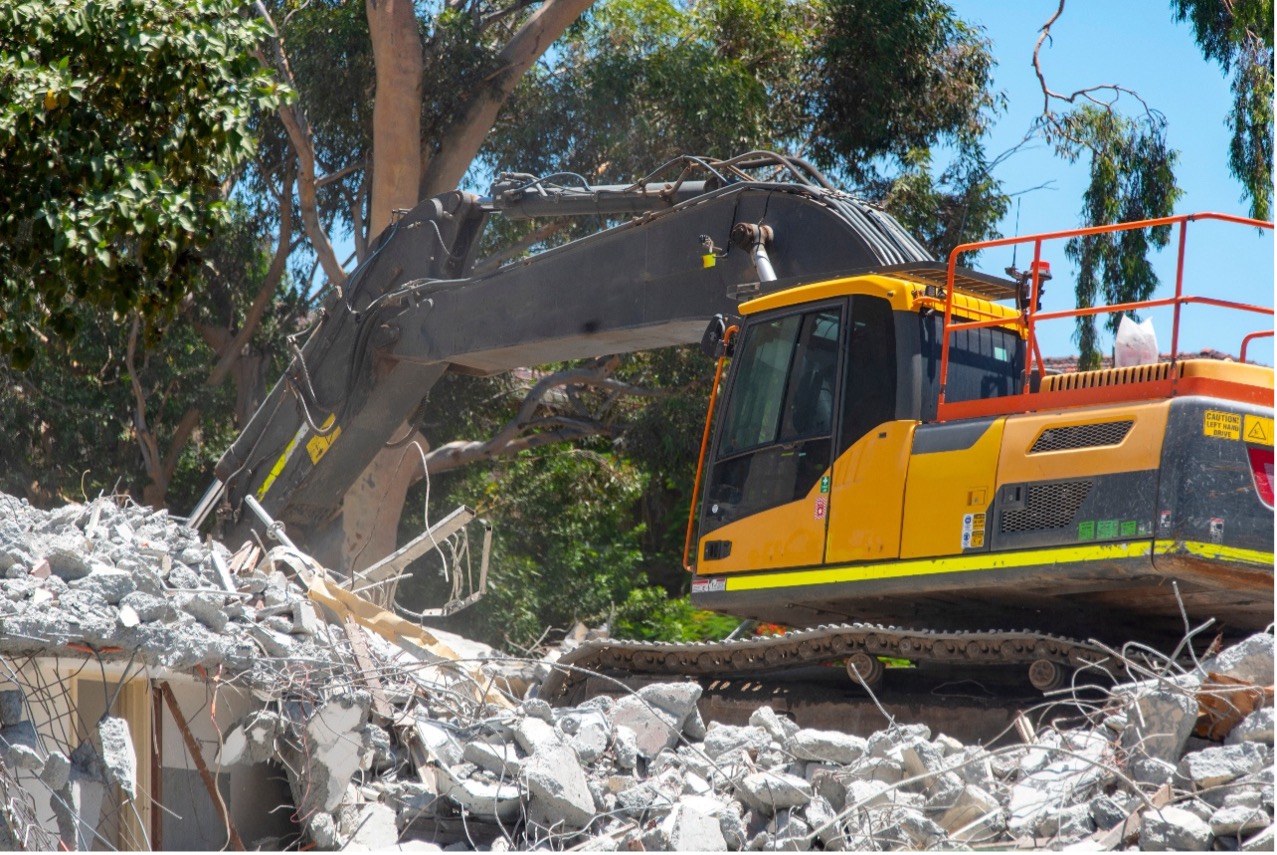


Mattresses are one of the most common household items to replace. Most people upgrade every eight to ten years, which means a steady flow of used mattresses needing proper disposal. The challenge is that mattresses are large, heavy, and made from a mix of materials. This makes them difficult to break down without the right equipment, and it is why responsible disposal plays such an important role in protecting the environment.
A single mattress takes up significant space in landfill. When it is dumped illegally, it can cause hazards, attract pests, and create an eyesore for the community. Understanding what happens to old mattresses and how recycling works helps households make better choices when it is time to replace one.
Why mattresses create waste challenges
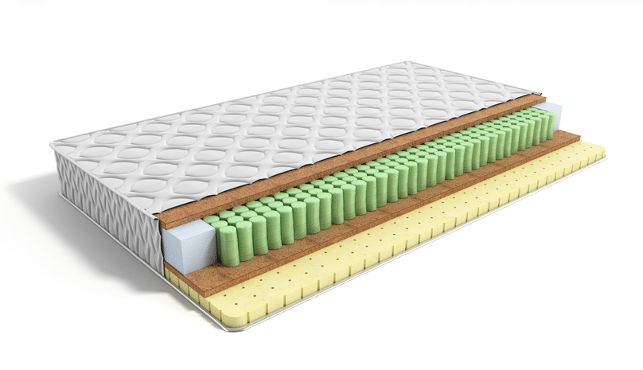
Mattresses are not like typical household rubbish. They contain steel, foam, fabric, and sometimes latex. These materials can be recycled, but not through standard council bins. When mattresses are collected through general waste, they often end up in landfill, where they take a long time to break down.
A few key issues explain why mattresses need special disposal:
- They are bulky and difficult to compress
- They contain mixed materials that need to be separated
- They can trap air pockets that cause problems in landfill
- They can damage machinery if sent through regular waste collection systems
These challenges are the reason many waste facilities encourage residents to use dedicated mattress recycling services or professional removal businesses (like us).
The environmental impact of sending mattresses to landfill
When a mattress is placed in landfill, it remains there for many years. Mattresses often contain synthetic foam and fabrics that break down slowly. During this process, gases can be released into the soil and air. Springs in the mattress can also push through landfill liners, which are designed to prevent contaminants from reaching surrounding soil.
A few impacts to consider include:
- Increased landfill space due to the size of mattresses
- Slow decomposition of synthetic materials
- Potential release of gases during the breakdown process
- Damage to landfill equipment and compactors
- Higher waste management costs for councils
The environmental impact grows when mattresses are dumped illegally. Discarded mattresses can collect moisture, attract pests, and become unstable over time. They can also block drainage systems if left near waterways or nature strips.
What happens when mattresses are illegally dumped
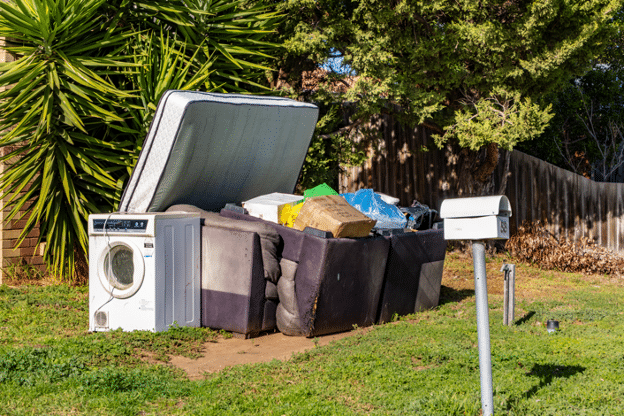
Illegal dumping is a widespread issue in many Melbourne suburbs. Mattresses are one of the most common items left on streets, laneways, and vacant land. Many people leave them outdoors because they are difficult to move, but the consequences extend far beyond inconvenience.
When a mattress is dumped illegally, several problems can occur:
- Rainwater collects in the fabric and foam, creating mould
- Rodents and insects may use the mattress for shelter
- The mattress can collapse or shift, creating safety hazards
- It affects the appearance of neighbourhoods
- Councils must allocate additional resources for collection
Illegally dumped mattresses also bypass recycling entirely. Even though they contain recyclable materials, those resources are lost once the mattress deteriorates outdoors.
Professional removal helps prevent these issues by ensuring mattresses are collected promptly and sent to appropriate recycling facilities. We provide mattress removal across Melbourne as part of our general rubbish collection service.
How mattress recycling works
Mattress recycling gives each material a new purpose. Instead of going to landfill, the mattress is taken to a facility where it is dismantled by hand or through specialised machinery. The aim is to separate the components so they can be reused in new products.
The recycling process usually involves the following steps:
1. Inspection and preparation
Once the mattress arrives at the recycling facility, it is checked for contamination such as moisture, mould, or pests. Mattresses in poor condition can still be processed, but they may require additional handling.
2. Removal of the outer fabric
Workers remove the outer layer of fabric to expose the internal structure. This fabric can often be recycled into industrial products or used in energy recovery.
3. Separation of foam
Foam layers are cut away and bundled. Recycled foam is often used in carpet underlay, padding, and insulation materials.
4. Recovery of steel springs
Steel represents a significant portion of a mattress. Springs are separated and sent to metal recyclers where they are melted down and used in the production of new steel products.
5. Sorting additional materials
Some mattresses contain timber frames or latex components. These materials can be repurposed for mulch, particle board, or other industrial uses.
The success of this process relies on proper collection. When mattresses are handled carefully from the start, recyclers can recover more materials and reduce overall waste.
Why responsible mattress disposal matters for the community
Responsible mattress disposal benefits more than the environment. Communities also experience improvements when old mattresses are collected and recycled rather than abandoned or placed in landfill.
A few key benefits include:
- Reduced landfill pressure, allowing space for items that cannot be recycled
- Cleaner neighbourhoods with fewer dumped goods
- Lower council clean-up costs
- Support for recycling industries and local jobs
- Safer handling of bulky household items
Residents also gain peace of mind knowing their old mattress has been processed correctly. Recycling gives materials a second life and supports long term sustainability across Melbourne.
How households can manage mattress disposal responsibly
If you are replacing a mattress, there are a few ways to ensure the old one is handled correctly.
You can:
- Ask your retailer whether they offer removal when delivering the new mattress
- Check local council guidelines to see if mattress recycling drop offs are available
- Book a professional rubbish removal service to collect the mattress from your home
- Avoid leaving mattresses on nature strips without approval
- Plan ahead so the mattress does not remain outdoors for long periods
Professional collection is often the easiest option because it removes the need for heavy lifting and transport. The team at Junk Moovaz handles old mattresses as part of our broader rubbish removal service and we focus on sending items to recycling where possible.
Ready to book a simple and responsible mattress removal?
If you have an old mattress ready to go, we can collect it quickly and ensure it is disposed of in a responsible way. Our team manages all lifting, loading and transport, which makes the process straightforward for households across Melbourne.
Book your mattress removal today and help keep reusable materials out of landfill.